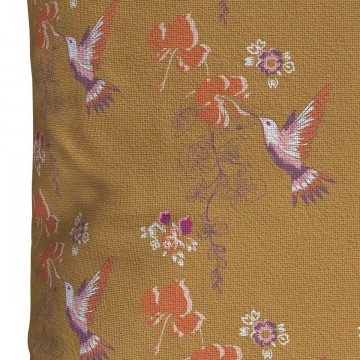
With the arrival of the sunny days, outdoor spaces become favourite places to live. Whether gardens, terraces or balconies, outdoor furniture and its accessories, cushions in particular, are exposed to the weather. To extend their life and protect them from the harmful effects of rain and moisture, it is essential to waterproof them. Here is a practical guide to effectively waterproofing your outdoor cushions.
Choosing the right products
The market offers a variety of waterproofing sprays specially designed for outdoor fabrics. These products create a hydrophobic barrier that stops water from getting in. When buying, make sure you choose a spray suited to the fabrics you want to treat. Opt for reputable brands and products free of chemical compounds that are harmful to the environment. Application is generally simple: shake the spray, spray evenly over the surface of the cushion, and leave to dry. Some products need a second coat for optimal protection. The advantage of sprays is that they are easy to use and quickly effective.
Silicone-based treatments are also a popular option. They are particularly effective at repelling water and offer lasting protection. However, it is crucial to follow the application instructions to the letter, as incorrect use can make the fabric stiff or affect its breathability. These products often come in liquid form and should be applied with a brush or a cloth. They penetrate deep into the fibres of the fabric, creating a lasting barrier against moisture. However, it is important to test the product first on a small area of your outdoor cushion to make sure it does not alter the colour or texture of the fabric.
For those who prefer to avoid chemicals, there are natural alternatives. Solutions based on beeswax or linseed oil can be used to waterproof fabrics. Although less common and requiring more preparation, they offer satisfactory protection while being eco-friendly. Beeswax, for example, can be melted and applied with a cloth, then lightly heated so that it penetrates the fabric well. Linseed oil, for its part, is applied in several thin coats and must dry completely between each application. These methods take more time and effort, but they are ideal for those looking for non-toxic, natural solutions.
Preparing the cushions
Before applying any waterproofing product, it is essential to clean the cushions thoroughly. Remove the covers, if possible, and wash them according to the manufacturer's instructions. For stubborn stains, a mixture of bicarbonate of soda and white vinegar can be very effective. Make sure the covers are completely dry before moving on to the next step. A thorough clean ensures that the surface is free of dirt, dust and residue that could interfere with the adhesion of the waterproofing product.
Inspect the cushions and covers for any tears or worn seams. Repair them before applying the waterproofing treatment. Holes or damaged seams can compromise the effectiveness of the treatment and let water seep in. Use strong thread and a suitable needle to make the repairs. Solid stitching and proper repairs will not only extend the life of your cushions but also improve the effectiveness of the waterproofing treatment.
Set yourself up in a well-ventilated space, preferably outdoors, to apply the waterproofing products. Protect the work area with newspaper or a tarpaulin to avoid staining the surrounding surfaces. Wear gloves and a mask to avoid inhaling the chemicals. This step is crucial for your safety and to avoid contaminating other surfaces. Also make sure the weather is favourable, dry and windless, for optimal application.
Applying the waterproofing treatment
Shake the spray well before use. Hold the spray about 20-30 cm from the fabric and apply an even coat. Take care not to saturate the fabric, to avoid any stiffness. Leave to dry as recommended by the manufacturer, generally between 24 and 48 hours. For optimal protection, apply a second coat after the first has dried. It is important to check that the product does not leave sticky residue or discolour the fabric. Test first on a small hidden area to check compatibility.
Silicone-based treatments often require a brush or a cloth for application. Spread the product evenly over the whole surface of the fabric. Leave to dry for at least 24 hours, then check whether a second coat is needed. Test the breathability of the fabric after application to make sure it is not too stiff. An even application is essential to guarantee uniform protection. Avoid applying too much product, which could weigh down or stiffen the fabric.
For natural solutions, such as beeswax, warm the wax slightly so that it becomes malleable, then apply it evenly with a clean cloth. For linseed oil, use a brush to spread it and leave it to soak into the fabric. These methods may require several applications for maximum effectiveness. Make sure each coat is completely dry before applying the next. Natural solutions can take longer to dry, so be patient and leave enough time between each application.
Waterproofing your outdoor cushions is an essential step in preserving their appearance and function in the face of the weather. By choosing the right products, preparing your cushions carefully and applying the treatment properly, you can enjoy your outdoor spaces with complete peace of mind. Not only does this extend the life of your cushions, it also helps create a comfortable, welcoming outdoor environment that stands up to the whims of the weather. Take the time to carry out each step properly and your cushions will stay in perfect condition, even after unexpected showers. So whether you are sitting on a deckchair or an outdoor sofa, your waterproofed cushions will give you lasting comfort and effective protection.