For centuries, the hand fan has crossed geographical and cultural borders, becoming a universal symbol of refinement and elegance. Whether used to keep cool in hot weather or as a sophisticated fashion accessory, the fan has always been much more than a simple utilitarian object. Its history goes back to ancient times, when it was regarded as a prestige object reserved for society's elite.
In this article, we dive into the heart of the different cultures that have enriched the history of the hand fan through the ages. From the mystical East to the opulent West, by way of the ancestral lands of Africa, every region of the world has made its own contribution to the age-old art of fan making.
We explore the traditional techniques passed down from generation to generation, revealing the closely guarded manufacturing secrets that have turned this accessory into a symbol of tradition and craftsmanship. From the elaborate folding methods of Asia to the delicate details of European lace, and the ingenious use of local materials in Africa, each culture has developed its own unique techniques that have shaped the look and the function of the hand fan.
Asian fans: the art of folding
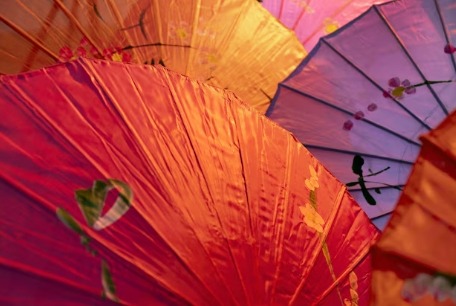
Asian fans are among the most famous in the world, and making them often relies on complex, meticulous folding techniques. In China, for example, paper fans are folded into elaborate patterns and often decorated with calligraphy or traditional paintings. Japanese fans, for their part, are often made from bamboo and washi, a traditional Japanese paper, and are folded using precise methods handed down from generation to generation. These fans are often associated with ritual ceremonies or traditional dances, and making them is considered a true art.
European fans: luxury craftsmanship
In Europe, fans were once symbols of status and luxury, made from precious materials such as ivory, silk and lace. They were often adorned with jewels and elaborate embroidery, and were considered indispensable accessories for nobles and aristocrats. Manufacturing techniques for European fans varied from region to region and from era to era, but they often involved meticulous craftsmanship carried out by master fan makers. Although their popularity has declined over time, European fans are still made today by a handful of passionate craftspeople who keep this traditional craft alive.
African fans: the beauty of local craftsmanship
In Africa, fans are often made from local materials such as palm leaves, plant fibres or animal hides. Manufacturing techniques vary from one region to another, but they generally showcase local craftsmanship and cultural traditions. In some African cultures, fans are used during ritual ceremonies or traditional dances, and making them is regarded as a skill passed down from generation to generation. Although less well known than their Asian or European counterparts, African fans bear witness to the richness and diversity of the continent's cultures.
The hand fan is much more than a simple accessory: it reflects cultures and traditions around the world. Whether in Asia, Europe, Africa or elsewhere, traditional fan making techniques bear witness to the skill and creativity of the craftspeople who make them. By exploring these different techniques, we can better understand the cultural and historical importance of this iconic accessory. Whether it's to keep cool in hot weather or to add a touch of elegance to an outfit, the hand fan will continue to fascinate and inspire future generations.
Discover our hand fan collections