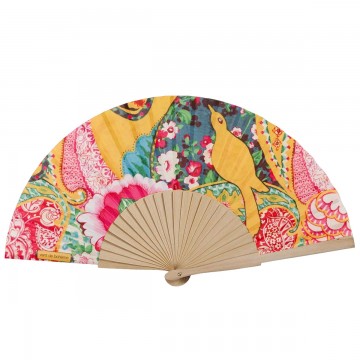
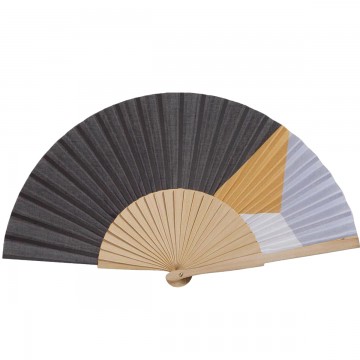
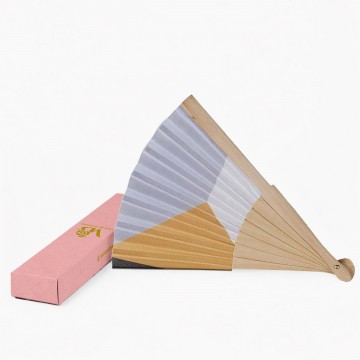
The Fan Museum (Musée de l'Éventail) in Paris is the only French museum devoted entirely to the hand fan. It is housed in the workshop founded in 1893 by the fan makers Lepault and Deberghe, which was bought by Hervé Hoguet in 1960, and it opened to the public in 1993. With its rich collection of antique and contemporary fans, it is the best place to discover the most famous and oldest fans in Europe. It also introduces visitors to the history of this accessory, while presenting the tools and materials used to make it.
The Fan Museum, a unique part of France's heritage
The Fan Museum can be considered a unique part of France's heritage. It is located at 2 boulevard de Strasbourg, in the 10th arrondissement of Paris, and stands out for its impressive collection, displayed in beautiful showcases and large glass-fronted cabinets.
In fact, the site was specially designed and equipped to house thousands of fans of every kind. What it has in common with traditional museums is its ability to conserve items from bygone eras. It holds some of the world's earliest fans as well as the fans most sought after by collectors.
It also holds workshop collections, that is, the tools, materials and documents that were used to produce unique fans.
Anne Hoguet, fan maker
Anne Hoguet comes from a family of fan makers: the daughter of Hervé Hoguet, she is the fourth generation to practise the crafts of fan maker and tabletier. She specialises in making fans for opera, theatre, film and haute couture.
She currently works with various brands to showcase her creations, including Dior, Gaultier, Hermès, Lacroix, Nina Ricci and Louis Vuitton. She also repairs fans. All of which confirms that fans are still in fashion in France and that fan making is a craft with a future.
A museum in a fragile position
As we speak, France has around ten professional fan makers. And since 2020, the craft has been listed in the national inventory of “Intangible Cultural Heritage”. Financially weakened in recent years, the museum has been threatened with closure several times: check its opening days before you go. It remains an essential place to visit. It bears witness to the skills of the craftspeople of yesteryear and to the history of the fan over the years. Without this museum, fan enthusiasts and collectors would lose their point of reference. All the fans not to be missed are brought together in this exceptional museum.
Discover our hand fan collections