In a world where environmental awareness has become paramount, every aspect of our daily lives is being examined from a new angle, including objects as seemingly innocuous as hand fans. These traditional accessories, used for centuries to keep cool, can have a significant ecological impact depending on the materials used to make them. In this article, we explore that ecological impact by examining the materials most commonly used to make hand fans and suggesting sustainable alternatives.
Traditional materials: an impact on natural resources
Traditional fans are often made from natural materials such as wood, bamboo or wicker. These materials have been used for centuries because they are readily available and long-lasting. However, growing demand for them has led to the unsustainable exploitation of natural resources. Deforestation, carried out to obtain wood and bamboo, has disastrous consequences for forest ecosystems and biodiversity. Unsustainable harvesting practices have led to the disappearance of many animal and plant species, threatening the ecological balance.
Harvesting wicker can have a negative impact on the wetlands where this plant grows naturally. Overharvesting wicker can lead to the degradation of these fragile ecosystems, endangering the species that depend on them for their survival. So although the traditional materials used to make hand fans are biodegradable, their intensive use can have serious repercussions for the environment.
Synthetic materials: a challenge for the environment
With the advent of mass production, many hand fan manufacturers are turning to synthetic materials such as plastic or nylon. These materials often offer a cheap and long-lasting alternative to natural materials, but they also pose major environmental challenges. Plastic, in particular, has become a global pollution problem. Once thrown away, plastic fans can break down into microplastics that contaminate soil and waterways, eventually reaching the oceans, where they threaten marine life.
What's more, producing plastic requires non-renewable resources such as oil, contributing to the depletion of natural resources and to the greenhouse gas emissions responsible for climate change. Although synthetic materials may seem attractive because of their durability and low cost, their use has serious environmental consequences that cannot be ignored.
Sustainable alternatives: towards eco-friendly hand fan making
Faced with these challenges, many companies are turning to more sustainable alternatives for making hand fans. Among them, fans made from raw wood and cherry wood stand out as environmentally friendly and aesthetically appealing options.
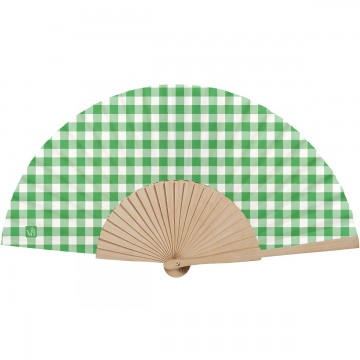
Raw wood fans offer a natural, sustainable alternative to synthetic materials. Raw wood, also known as untreated wood, comes from responsibly managed forests where trees are felled selectively, encouraging forest regeneration. Using raw wood to make hand fans reduces their ecological footprint while offering an authentic, beautiful product.
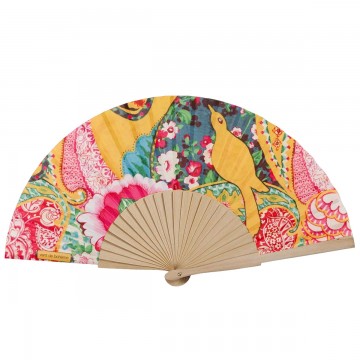
Cherry wood, for its part, is renowned for its natural beauty and durability. Native to Europe and North America, cherry is widely used in furniture making and joinery thanks to its strength and fine grain. Cherry wood fans therefore combine beauty and durability, offering an accessory that is both practical and eco-friendly.
By encouraging the adoption of these sustainable alternatives and supporting companies committed to eco-friendly manufacturing practices, we can reduce the ecological impact of hand fans while preserving natural resources and protecting the environment for future generations.
Discover our hand fan collections